
If you’ve been told you need a bone graft before dental implants, your first reaction might be concern. But the truth is, it’s one of the most routine steps in restoring a smile that lasts. Bone loss in the jaw is incredibly common, affecting millions of adults who have dealt with missing teeth, gum disease, or years of denture wear. For many patients, a bone graft isn’t a complication; it’s simply the first step toward a result that holds.
At ReNew Dental Arts in Charlotte, NC, Dr. Tyler Klein and his team guide patients through every step of the implant process with the clarity and honesty you deserve. If bone grafting is part of your treatment plan, you’ll understand exactly why it matters, what to expect, and how it fits into your path to a full, confident smile built to last.
What a Bone Graft Actually Does
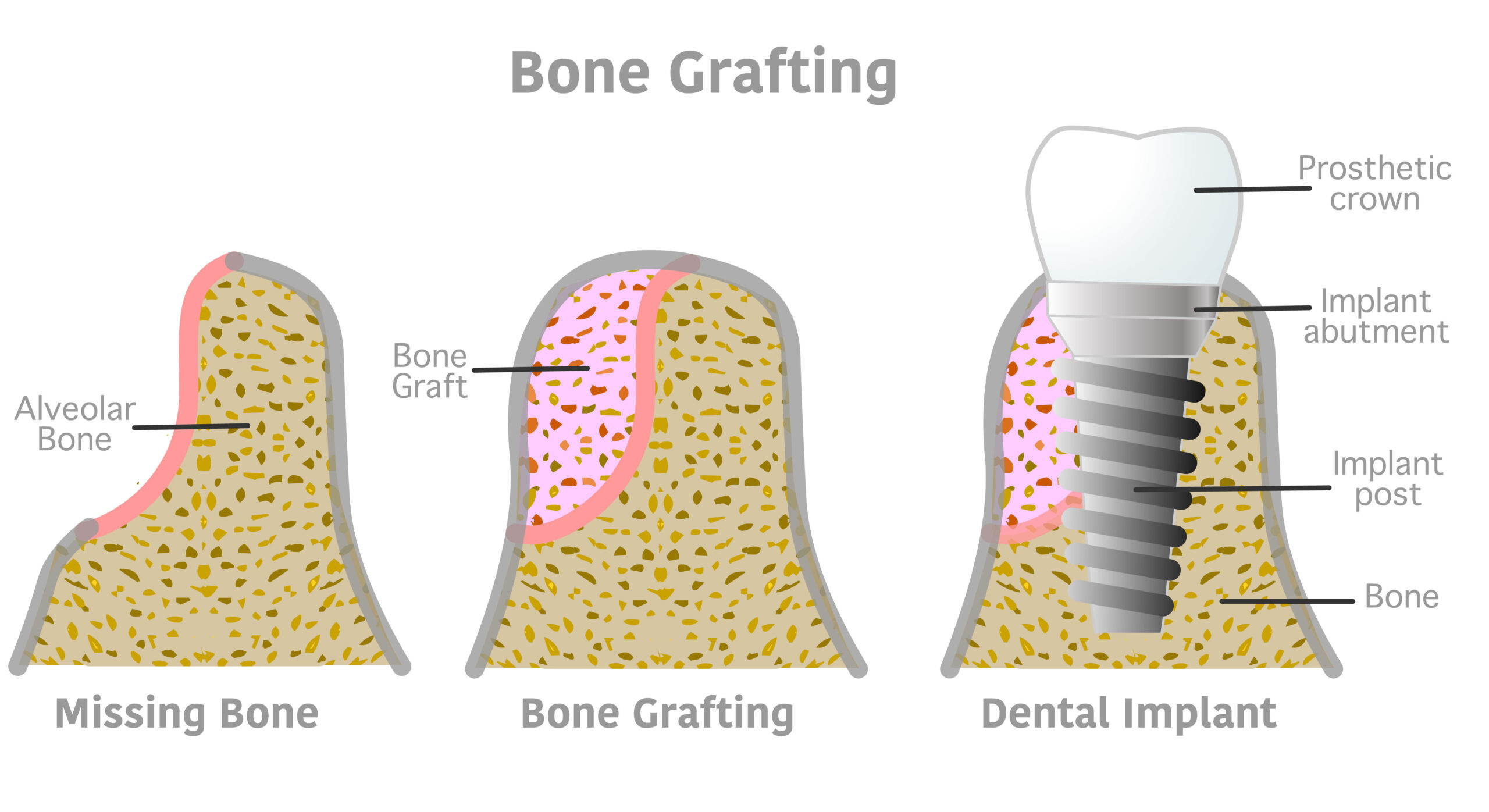
A bone graft is a procedure that rebuilds or reinforces the jawbone to properly support a dental implant. Think of it this way: an implant is essentially a titanium root that fuses with your jawbone over time. If the bone isn’t dense or tall enough, there’s simply nothing stable for the implant to bond with. A bone graft solves that problem by introducing new bone material to the area, giving your jaw the volume it needs to hold an implant securely for years to come.
The graft material itself can come from several sources. Autografts use bone from another part of your own body, while allografts use donor bone tissue. There are also synthetic and animal-derived options that have been widely studied and proven effective. Your provider will recommend the right type based on your specific anatomy and the extent of bone loss.
A recent study published in the Journal of Functional Biomaterials analyzed over 158,000 implants placed within a national healthcare network and found that simultaneous bone augmentation produced a clinical success rate of 97.83%. This is a strong signal that when grafting is done well, implants placed alongside it perform at the same level as those placed in patients with no bone deficiency at all.
 Why Jaw Bone Loss Happens
 Why Jaw Bone Loss Happens
Most patients are surprised to learn how quickly bone can deteriorate after a tooth is lost. The jawbone stays healthy partly because tooth roots stimulate it with every bite and chew. Once a tooth is removed, that stimulation stops, and the bone begins to resorb, essentially shrinking, within just months.
Other common causes of bone loss include:
- Periodontal disease: Advanced gum disease destroys the bone and tissue supporting your teeth, often long before patients realize the extent of the damage.
- Long-term denture wear: Traditional dentures sit on top of the gums and don’t stimulate the bone below, allowing deterioration to continue quietly over time.
- Trauma or injury: Accidents, fractures, or failed dental work can all damage the underlying bone structure in ways that aren’t always immediately visible.
- Infection: Abscesses and untreated infections erode bone tissue if left unaddressed, sometimes causing significant volume loss before symptoms become obvious.
Understanding the cause of your bone loss helps your implant team create a treatment plan that addresses the root issue, not just the surface.
Do You Actually Need a Bone Graft?
Not every implant patient needs a bone graft. Whether you do depends entirely on the current state of your jawbone and where the implant will be placed. There’s only one way to know for certain: a thorough evaluation that includes 3D imaging.
At ReNew Dental Arts, Dr. Klein uses a CBCT (cone-beam CT) unit, a 3D X-ray technology that provides a precise, full-dimensional image of your jaw’s bone density, height, and width. This level of imaging removes the guesswork entirely. Some patients have sufficient bone and proceed directly to implant placement. Others have mild to moderate deficiency that can be addressed with grafting before or during the implant procedure. And for patients who have experienced significant bone loss, often those considering All-on-X full-arch restoration, more involved grafting, or alternative implant techniques may be the better path forward.
What the Grafting Process Looks Like
If a bone graft is recommended, the process is more manageable than most patients expect. In many cases, minor grafting can be performed at the same appointment as a tooth extraction using a technique called socket preservation, which minimizes bone loss from the start and reduces the need for more extensive procedures later.
For larger grafts, the area needs time to heal before implants are placed. Healing timelines vary by the size and location of the graft, but most patients expect a few months before the bone is ready. During that time, Dr. Klein and the ReNew team stay in close contact with you, monitoring your progress and keeping you informed at every stage.
What to Expect During Recovery
Bone graft recovery is generally well-tolerated. Mild swelling and discomfort in the days following the procedure are normal and manageable with over-the-counter pain relief or prescribed medication. Most patients return to normal activity within a day or two. Dr. Klein’s team will walk you through post-procedure care instructions, including what to eat, how to keep the area clean, and what signs to watch for.
For patients who experience anxiety around dental procedures, ReNew Dental Arts offers sedation dentistry to make the experience as comfortable as possible. A licensed CRNA is present during surgical procedures so that Dr. Klein can focus entirely on delivering precise, quality results.
Choose ReNew Dental Arts for Your Implant Journey in Charlotte, NC
Bone grafting is not a setback; it’s a foundation. At ReNew Dental Arts, Dr. Tyler Klein brings over a decade of surgical experience, advanced technology, including 3D imaging, intraoral scanners, and an in-house lab, and a genuine commitment to making full-arch implant treatment accessible to the Charlotte community. Whether you need a minor graft or a more comprehensive restoration, every step is handled with the care and precision that has earned the practice 450+ five-star reviews from patients across the SouthPark area. With flexible financing options through CareCredit, Cherry, Lending Club, and an in-house payment plan, cost doesn’t have to be a barrier to getting the smile you deserve.
If you’ve been putting off implants because you’re unsure about your bone health, the best first step is a conversation. Contact our office to schedule your consultation and find out exactly what your path to a permanent, confident smile looks like.